
The Influence of Casino Atmosphere on Decision-Making
The atmosphere of a casino plays a significant role in shaping player behavior and decision-making processes. Elements such as lighting, sound, and layout are meticulously designed to create an environment that encourages prolonged engagement. Bright colors and enticing sounds can stimulate excitement, making it easier for players to make impulsive decisions rather than rational ones. This manipulation of sensory information can lead to a state of heightened arousal, which may cloud judgment and prompt players to click here gamble more than they originally intended.
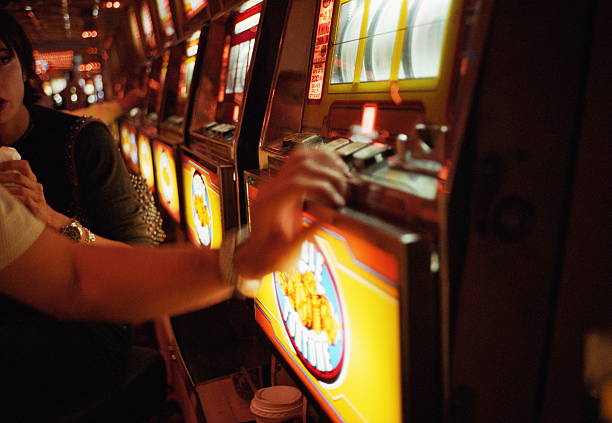
Furthermore, the design of games and display of rewards are crafted to evoke strong emotional responses. When players experience wins, even small ones, it reinforces a positive feedback loop that can encourage them to continue playing. This cycle can sometimes lead to riskier bets, as players chase that initial high, thus intensifying the psychological grip of the casino environment on their behavior.
The Role of Social Interaction in Casinos
Social interaction within casino environments can also significantly affect player behavior. Casinos often foster a sense of community through group games and shared spaces, promoting social gambling experiences. Such interactions can diminish the perceived risks associated with gambling, as players may feel emboldened by the presence of others. The camaraderie built in these settings can lead to increased participation and higher spending, as individuals may feel compelled to keep pace with their peers.
Moreover, the presence of other players can amplify emotions, creating a shared sense of excitement. This phenomenon, known as social facilitation, can enhance the thrill of gambling, leading individuals to make decisions they might not make in isolation. Ultimately, the social dynamics present in casinos can significantly skew individual perceptions of risk versus reward.
Psychological Triggers Embedded in Casino Design
The design of casinos leverages various psychological triggers that exploit human tendencies. For instance, the absence of clocks and windows creates a disorienting effect, making it easy for players to lose track of time. This intentional design element encourages extended gambling sessions, as players may continue engaging without considering their financial limits or the passage of time. This phenomenon can lead to increased spending and a heightened sense of risk-taking.
Additionally, the use of near-miss scenarios—where players nearly achieve a win but fall short—can psychologically manipulate individuals into believing they are closer to winning than they actually are. This strategy plays on the human brain’s reward pathways, reinforcing the desire to continue playing despite potential losses. The interplay of design elements and psychological triggers creates a compelling environment that can profoundly influence player behavior.
The Impact of Reward Systems on Player Engagement
In casinos, reward systems are strategically designed to enhance player engagement by creating a sense of accomplishment and satisfaction. The immediate gratification associated with winning, even on a small scale, serves as an effective motivational tool. Players are conditioned to seek out these rewards, which can lead to prolonged gambling sessions and increased stakes. This scenario is particularly evident in slot machine gameplay, where the thrill of immediate rewards can overshadow the reality of overall losses.
Moreover, loyalty programs and comp systems further entrap players by providing incentives that create a false sense of value. While players believe they are receiving benefits, they may not realize they are simply being encouraged to gamble more. This calculated approach to rewards contributes to habitual behavior and can have detrimental effects on players’ financial well-being and mental health.

Water Governance and the Impact of Casino Environments
While this article primarily delves into the psychological effects of casino environments, it is important to recognize the broader context of responsible governance and resource management. Websites like Watergovernance.ca highlight the importance of informed decision-making in various sectors, including gambling. Understanding the psychological triggers present in casinos can aid policymakers and stakeholders in developing frameworks that prioritize player safety and promote responsible gambling practices.
As discussions around the implications of casino environments continue to evolve, resources that bridge the gap between behavioral insights and governance can contribute to more sustainable and ethical gaming practices. Emphasizing responsible management of both psychological influences and external governance can lead to more informed decisions that benefit players and society as a whole.