
The Thrill of Chance
The allure of casino gaming often lies in the excitement of uncertainty. The thrill of taking a risk can trigger a rush of adrenaline, making the experience exhilarating. This emotional response is deeply rooted in our psychology; humans are naturally drawn to challenges and the potential for unexpected rewards. For example, many players enjoy playing poker online, where the unpredictability of outcomes creates an enticing environment where players feel alive and engaged.
Moreover, this thrill can create a phenomenon known as “loss chasing,” where players pursue their losses in hopes of achieving a big win. This behavior is driven by the powerful emotions associated with winning and the psychological impact of a near-miss. When players come close to hitting a jackpot, their brains react as if they have won, which can reinforce the desire to continue playing, despite previous losses.
The Role of Environment
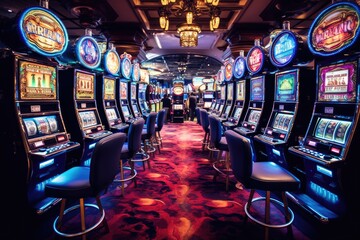
The physical and social environment of a casino greatly impacts decision-making. Casinos are designed with specific elements that enhance a player’s gaming experience, such as bright lights, sounds, and comfortable settings. These sensory stimuli contribute to a unique atmosphere that can influence spending behaviors and the choices players make. The ambiance creates a sense of escape, facilitating a change in mindset that often encourages longer play sessions.
Additionally, social interaction plays a significant role in casino gaming. The communal aspect of playing games like poker or blackjack can heighten the excitement and lead to more impulsive decisions. Players are influenced by the reactions and behaviors of those around them, which can result in increased bets or more complex strategies than they might employ in isolation.
The Psychology of Gambling Addiction
Addiction is a serious issue associated with casino gaming, and understanding the psychology behind it is crucial. Gambling can activate similar brain pathways as drugs and alcohol, leading to dependency in some individuals. The reinforcement of wins, combined with the relief felt from losses, can create a cycle that keeps players returning, often despite negative consequences in their personal lives.
Furthermore, psychological factors such as low self-esteem, anxiety, and a need for control can exacerbate gambling behaviors. Many players might turn to casinos as a coping mechanism to escape their realities, leading them deeper into addiction. Recognizing these underlying issues is essential for developing effective strategies for harm reduction and support.
The Influence of Marketing and Promotions
Casinos employ sophisticated marketing strategies to entice players, leveraging psychological principles to influence behavior. Promotions, bonuses, and loyalty programs are designed not just to attract new customers but also to retain existing ones. By offering rewards that create a sense of value, casinos tap into the human desire for recognition and achievement.
Moreover, the use of gamification in promotions can further engage players. By transforming gambling into a competitive and rewarding experience, casinos encourage frequent participation. This tactic exploits the psychological principle of “FOMO” (fear of missing out), motivating players to join games to secure potential winnings or exclusive offers.
Our Commitment to Responsible Gaming
At our website, we are dedicated to promoting responsible gaming practices. We understand the psychological factors that drive individuals to casinos and emphasize the importance of maintaining control over one’s gambling habits. By providing resources, insights, and support, we aim to inform players about the potential risks and rewards associated with casino gaming.
We encourage our users to play responsibly and be aware of their limits. Our platform serves not only as an information hub but also as a community that fosters healthy gaming practices. If you or someone you know is struggling with gambling addiction, we advocate for seeking help and utilizing available resources for recovery.